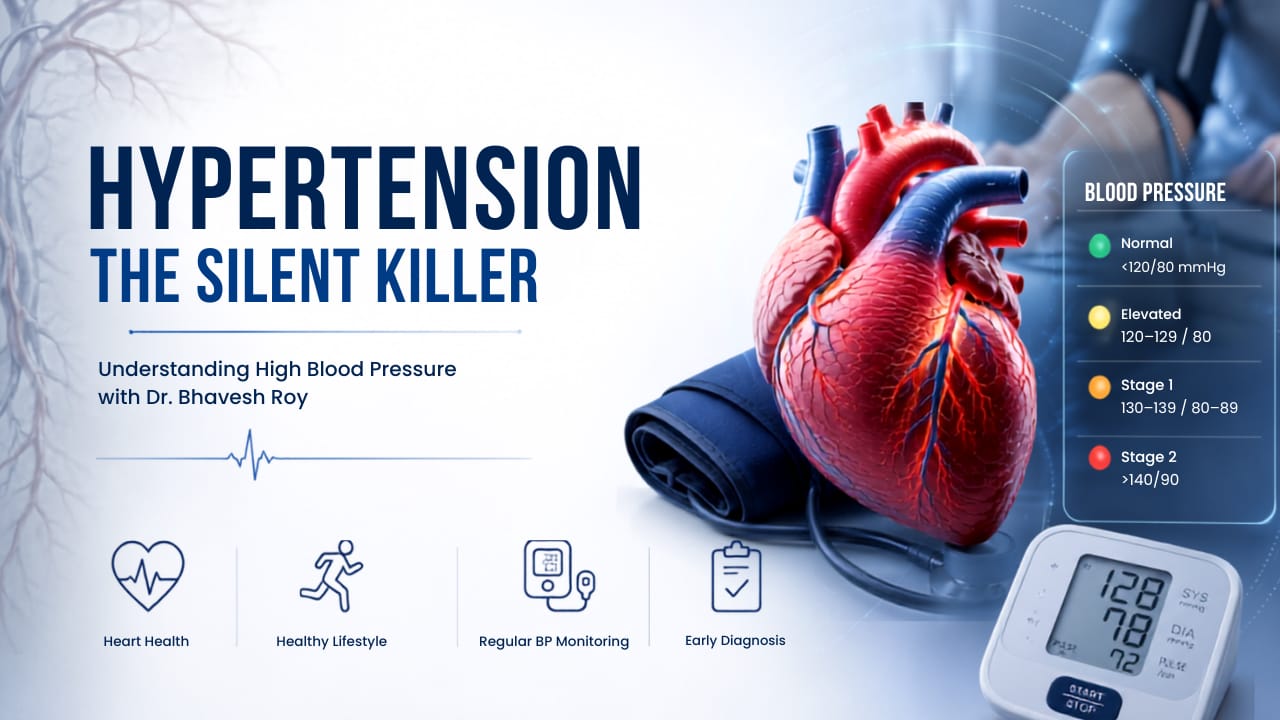
Quick Answer: What is Hypertension?
Hypertension is commonly known as high blood pressure. It occurs when the force of blood pushing against your artery walls remains consistently too high. Doctors universally call it the “silent killer.” Why? Because it rarely presents noticeable symptoms. This lack of symptoms allows the condition to progress undetected for years. Meanwhile, persistent high pressure quietly damages your blood vessels. It forces your heart to overwork significantly. Over time, uncontrolled hypertension increases your risk of severe complications. These include heart attacks, heart failure, and strokes. Early detection through routine screening remains essential. Proper management and lifestyle modifications will protect your cardiovascular system and safeguard your long-term health.
Introduction
Human nature often leads us to a dangerous belief. We think feeling perfectly fine means we are healthy. We instinctively rely on aches, pains, or sudden fatigue. These signs tell us when something goes wrong inside our bodies. However, relying on symptoms for cardiovascular health is a dangerous misconception. Hypertension can silently remain undetected for decades. It causes progressive damage to your arteries, heart, brain, and kidneys. It does this without issuing a single physical warning sign. You can feel energetic, active, and completely normal. Simultaneously, you might live with elevated blood pressure that quietly strains your vital organs.
Feeling healthy and having healthy blood pressure are two entirely different concepts. Hypertension symptoms remain virtually non-existent in the early stages. Therefore, waiting until you feel unwell to check your blood pressure is risky. Regular blood pressure monitoring and early diagnosis are absolute necessities. You also need appropriate medical treatment. These are not optional precautions.
Dr. Bhavesh Roy is a dedicated interventional cardiologist. He focuses on comprehensive cardiovascular risk assessment. He prioritizes early detection and evidence-based treatment. These steps prevent the long-term heart complications associated with unmanaged blood pressure. Patients can take a proactive approach to protect their heart function. They must do this before irreversible damage occurs. This comprehensive guide will explore exactly what hypertension is. We will see how it systematically affects your body. We will explain why it goes unnoticed. Finally, we will cover the most effective strategies to test, control, and live well with high blood pressure.
Table of Contents
- What is Hypertension (High Blood Pressure)?
- The Science: How High Blood Pressure Affects Your Body
- Understanding Your Blood Pressure Numbers
- The Silent Danger: Why Hypertension Often Goes Undetected
- How Uncontrolled Hypertension Damages Your Heart
- The Major Health Risks of Untreated Hypertension
- Who is at Higher Risk of Developing Hypertension?
- How Do Doctors Diagnose Hypertension?
- How Can You Control and Treat Hypertension?
- Frequently Asked Questions (FAQs)
- Key Takeaways
- Conclusion
What is Hypertension (High Blood Pressure)?
To understand hypertension, you must understand blood circulation. Your heart beats and pumps oxygen-rich blood. This blood travels through a network of arteries to supply your muscles, organs, and tissues. Blood pressure physically measures the force this circulating blood exerts. It presses against the walls of your arteries.
When a doctor measures your blood pressure, they record two specific numbers:
- Systolic blood pressure (the top number): This measures the pressure in your arteries exactly when your heart beats and pumps blood out.
- Diastolic blood pressure (the bottom number): This measures the pressure in your arteries when your heart rests between beats.
Hypertension occurs when this pressure remains persistently elevated above normal ranges. Consistently high blood pressure puts your arteries under immense physical stress. Long-term exposure to this pressure damages delicate blood vessels and vital organs. It forces your cardiovascular system to compensate. Ultimately, this compromises your heart health.
The Science: How High Blood Pressure Affects Your Body
The damage caused by hypertension does not happen overnight. It is a biological process. It unfolds progressively in a logical, step-by-step manner:
- Increased Pressure Against Artery Walls: The process begins with excessive force. This force repeatedly strikes the artery walls with every single heartbeat.
- Damage to the Inner Lining: A smooth, delicate layer of cells lines your arteries. Doctors call this the endothelium. Constant high pressure creates microscopic tears and damages this lining.
- Arterial Stiffness and Plaque Buildup: Damaged linings easily trap cholesterol and fats floating in the bloodstream. This plaque accumulates over time. Consequently, the arteries lose their natural elasticity. They become rigid, narrow, and stiff.
- Increased Workload on the Heart: Narrow and stiff arteries create resistance. Your heart must pump with much greater force to push blood through your body.
- Thickening of the Heart Muscle: Your heart muscle begins to thicken and enlarge. It does this to handle the extra effort, just like any overworked muscle.
- Reduced Efficiency: A thickened heart muscle becomes stiff. It loses efficiency at relaxing and filling with blood between beats. This compromises your entire cardiovascular system.
- Progressive Organ Damage: Your heart struggles to maintain proper circulation. Blood flow to vital organs—such as the brain, kidneys, and eyes—drops. This leads to progressive systemic damage.
Understanding Your Blood Pressure Numbers
Properly interpreting your blood pressure readings is your first step. It protects your heart health. Doctors measure blood pressure in millimetres of mercury (mmHg).
Crucially, a single high reading does not automatically confirm hypertension. Stress, caffeine, or physical exertion can temporarily elevate your numbers. Even the anxiety of a doctor’s clinic can spike your pressure. Doctors rely on an average of multiple readings taken over time.
The table below outlines recognised medical guidelines. It shows adult blood pressure classifications, their indications, and the general clinical response.
| Blood Pressure Category | Systolic (Top Number) | Diastolic (Bottom Number) | Clinical Indication & General Response |
|---|---|---|---|
| Normal | Less than 120 mmHg | Less than 80 mmHg | Healthy range. Maintain good lifestyle habits and schedule routine check-ups. |
| Elevated | 120 – 129 mmHg | Less than 80 mmHg | Risk of developing hypertension. Doctors usually recommend lifestyle modifications to prevent progression. |
| Stage 1 Hypertension | 130 – 139 mmHg | 80 – 89 mmHg | Consistent high pressure. Doctors advise lifestyle changes and may consider medication based on overall cardiovascular risk. |
| Stage 2 Hypertension | 140 mmHg or higher | 90 mmHg or higher | Significant high pressure. This stage often requires strict lifestyle modifications and prescribed blood pressure medication. |
| Hypertensive Crisis | Higher than 180 mmHg | Higher than 120 mmHg | Medical Emergency. This requires immediate medical attention to prevent acute organ damage. |
The Silent Danger: Why Hypertension Often Goes Undetected
The most dangerous aspect of high blood pressure is its invisibility. People famously call hypertension the “silent killer.” For the vast majority of patients, it causes absolutely no obvious symptoms.
Many people falsely believe high blood pressure manifests physical signs. They expect a fast heartbeat, sweating, facial flushing, or tension. In reality, the human body adapts remarkably well. Blood pressure gradually rises over months or years. Your body adjusts to this new baseline. Patients feel completely normal. They go about their daily lives entirely unaware. Meanwhile, progressive internal damage ruins their arteries.
Furthermore, you cannot rely on symptoms like headaches, dizziness, or nosebleeds. This is a flawed strategy. While these can occur, they remain incredibly unreliable indicators. They usually only appear during a hypertensive crisis. This is a severe, life-threatening spike in blood pressure. The disease hides in plain sight. Therefore, routine blood pressure monitoring is vital. Proactive screening remains critical for individuals with cardiovascular risk factors. Catching the condition early is your only reliable way to stop it.
How Uncontrolled Hypertension Damages Your Heart
Untreated hypertension places a massive burden on your heart. The continuous mechanical stress triggers a dangerous cascade. It degrades your cardiovascular health:
- Coronary Artery Disease (CAD): High blood pressure damages your coronary arteries. These vessels supply oxygen and nutrients directly to your heart muscle.
- Atherosclerosis: Arterial wall damage accelerates atherosclerosis. Cholesterol, fat, and calcium harden into plaques. This significantly narrows the arteries and restricts vital blood flow.
- Left Ventricular Hypertrophy (LVH): The heart pumps against high resistance. Thus, the main pumping chamber thickens. This thickened muscle demands more oxygen but struggles to receive it. Eventually, this weakens your heart function.
- Heart Failure: Years of overworking exhaust the heart muscle structurally. It becomes too stiff to fill properly. It may become too weak to pump effectively. This leads to heart failure. The heart can no longer meet the body’s demands.
- Heart Attack: A plaque inside a narrowed coronary artery can rupture. A blood clot forms and completely blocks blood flow. The lack of oxygen kills that portion of the heart muscle. This causes a massive heart attack.
- Irregular Heart Rhythms (Arrhythmias): Hypertension causes structural changes. A thickened or stretched heart muscle interferes with your heart’s electrical system. This increases the risk of arrhythmias like atrial fibrillation.
The Major Health Risks of Untreated Hypertension
Controlling blood pressure protects your entire body. It is not just about lowering numbers on a monitor. The cardiovascular system connects with every major organ. Uncontrolled hypertension creates major health risks:
- Heart Attack and Heart Failure: These result from the severe strain and blocked arteries previously discussed.
- Stroke: High blood pressure can burst blood vessels in the brain. It can also cause clots that block these vessels. This deprives brain tissue of oxygen.
- Kidney Disease: The kidneys rely on delicate blood vessels to filter waste. Hypertension damages these tiny vessels and leads to progressive kidney failure.
- Vision Problems: Elevated pressure damages the microscopic vessels in your eyes. This causes blurred vision or permanent sight loss.
- Peripheral Artery Disease (PAD): Narrowed arteries reduce blood flow to your limbs. This causes leg pain during walking and poor wound healing.
- Cognitive Decline: Reduced blood flow to the brain causes long-term damage. Doctors heavily link it to vascular dementia and early cognitive impairment.
Who is at Higher Risk of Developing Hypertension?
Understanding hypertension causes involves looking at multiple factors. Genetics, lifestyle, and underlying health issues all play a role. Medical experts divide risk factors into two categories: things you cannot change (non-modifiable) and things you can change (modifiable).
Non-Modifiable Risk Factors
- Increasing Age: We age, and our blood vessels lose their elasticity. This increases the likelihood of rising blood pressure.
- Family History: Genetics play a significant role. If your parents have hypertension, your risk jumps notably higher.
Modifiable Risk Factors
- Obesity and Overweight: Excess body weight requires more blood. The body must supply oxygen to tissues. This directly increases the pressure inside your arteries.
- High Salt Intake: Consuming too much sodium makes your body retain excess fluid. This increases blood volume and raises blood pressure.
- Physical Inactivity: A sedentary lifestyle creates a higher resting heart rate. This forces your heart to work harder with each contraction.
- Smoking: Tobacco damages your blood vessel linings. It causes them to narrow temporarily. This spikes blood pressure and accelerates plaque buildup.
- Excessive Alcohol Consumption: Heavy drinking chronically elevates blood pressure. It also weakens the heart muscle over time.
- Unhealthy Dietary Habits: Diets low in potassium contribute to hypertension. Processed foods and saturated fats also drive blood pressure higher.
- Chronic Stress: Long-term stress keeps your body on high alert. You continuously release hormones that temporarily spike blood pressure.
Associated Medical Conditions
- Diabetes: High blood sugar levels damage blood vessels. This makes them highly susceptible to hypertension.
- Kidney Disease: The kidneys help regulate blood pressure. Poor kidney function easily triggers hypertension.
- Sleep Disorders: Obstructive sleep apnoea drops blood oxygen levels during sleep. This puts immense strain on your cardiovascular system.
How Do Doctors Diagnose Hypertension?
A single elevated reading rarely confirms a diagnosis. Blood pressure fluctuates naturally throughout the day. Doctors take a methodical approach to ensure accuracy.
- Repeated Measurements: A doctor will request several readings across separate appointments. Proper technique is vital. You should sit quietly for five minutes. You must support your arm at heart level.
- Home Monitoring: Doctors often ask patients to track their numbers at home. You use a validated digital monitor. This helps rule out “white coat hypertension.” Anxiety causes this temporary medical setting spike.
- Ambulatory Blood Pressure Monitoring (ABPM): You wear a small device for 24 hours. It automatically takes readings at regular intervals. This provides a comprehensive blood pressure profile.
Once a doctor confirms a diagnosis, they customize further testing. They assess your overall cardiovascular risk and check for organ damage:
- Blood Tests: These check cholesterol levels, blood sugar, and assess risk factors.
- Urine Tests: These evaluate kidney function. They look for proteins that indicate early kidney damage.
- Electrocardiogram (ECG): This measures your heart’s electrical activity. It checks for irregular rhythms or enlarged heart muscles.
- Echocardiography: This ultrasound visualises your heart’s structure. It checks pumping efficiency and looks for Left Ventricular Hypertrophy.
How Can You Control and Treat Hypertension?
Hypertension treatment never follows a one-size-fits-all approach. The goal is to safely lower blood pressure. This protects your long-term heart health. Doctors must individualize management based on your specific numbers and medical history.
Lifestyle Management
Meaningful lifestyle modifications remain the first and most critical defence:
- Reducing Excess Salt Intake: Limit sodium to recommended levels. This helps reduce fluid retention.
- Heart-Healthy Diet: Adopt a diet rich in fruits, vegetables, and whole grains. This provides essential nutrients like potassium.
- Weight Management: Maintain a healthy body weight. This significantly reduces the mechanical strain on your cardiovascular system.
- Regular Physical Activity: Engage in consistent aerobic exercise. Brisk walking or swimming strengthens the heart muscle.
- Quitting Tobacco and Limiting Alcohol: Stop smoking to halt arterial damage. Keep alcohol strictly within recommended medical limits.
- Managing Stress and Sleep: Prioritise 7–8 hours of quality sleep. Adopt stress-reduction techniques to lower daily blood pressure.
- Regular Monitoring: Keep a consistent log of home readings. This helps track the effectiveness of your lifestyle changes.
Medical Interventions
Sometimes lifestyle changes fall short. Your blood pressure might remain dangerously high. In these cases, doctors prescribe medication. Common blood pressure medications include diuretics, ACE inhibitors, and beta-blockers.
Different patients require different medications. Often, doctors prescribe a combination. This depends on your cardiovascular risk factors and specific hypertension type. Finding the right medication programme takes time and adjustment. Crucially, you must never alter your prescribed medication regimen alone. Always consult your doctor directly. You must do this even if your readings return to normal.
Frequently Asked Questions (FAQs)
Can I have hypertension without experiencing symptoms?
Yes. The vast majority of people experience absolutely no symptoms. You can feel completely healthy. Meanwhile, elevated blood pressure quietly damages your blood vessels. Regular screening remains the only way to know your numbers.
Can I permanently cure high blood pressure?
You cannot permanently “cure” primary hypertension. However, you can manage and control it highly effectively. Combine sustainable lifestyle changes with long-term medication. This helps you maintain normal blood pressure and live a long, healthy life.
Does hypertension always require medication?
Not always. Some patients have slightly elevated or Stage 1 hypertension. They lack other serious cardiovascular risk factors. Dedicated lifestyle modifications often bring their blood pressure back to normal. These include dietary changes, weight loss, and regular exercise.
How often should I check my blood pressure?
Check it at least once a year if you are healthy. Do this during an annual physical. If a doctor diagnoses you with hypertension, check it more frequently. Your doctor will likely prescribe a schedule for home readings.
Can stress alone cause hypertension?
Chronic, unmanaged stress frequently causes temporary spikes. It also encourages unhealthy coping mechanisms like overeating or smoking. However, it rarely acts as the sole cause of chronic hypertension. It usually joins a wider combination of risk factors.
What happens if I stop taking my medicine when my readings become normal?
Normal readings mean your medication works properly. If you stop taking your medicine without medical supervision, your blood pressure will rise. It will quickly return to dangerous levels. Never discontinue your medication without consulting your doctor.
When should I consider high blood pressure a medical emergency?
A hypertensive crisis occurs when blood pressure spikes severely. Readings typically jump above 180/120 mmHg. Concerning symptoms accompany this spike. These include severe chest pain, shortness of breath, or blurred vision. You require immediate emergency medical attention to prevent acute organ damage.
Key Takeaways
- Hypertension frequently causes no noticeable symptoms: Never rely on how you feel to determine your blood pressure health.
- Regular monitoring remains essential: Routine blood pressure checks definitively detect the “silent killer” early.
- Uncontrolled hypertension causes systemic damage: High blood pressure severely damages the heart muscle, brain, and kidneys over time.
- Lifestyle modifications are vital: A heart-healthy diet and regular physical activity form the foundation of management.
- Doctors often prescribe medication: Many patients require long-term, individualised medication to safely control their blood pressure.
- Early action prevents complications: Early diagnosis and sustained treatment significantly reduce your long-term cardiovascular risk.
Conclusion
The reality of hypertension remains simple. What you cannot feel can indeed harm you. The absence of symptoms does not mean high blood pressure is harmless. Every unchecked day places unnecessary physical stress upon your arteries. You should never ignore hypertension simply because you feel perfectly healthy today.
Understand how blood pressure damages the body. This knowledge gives you the power to prevent it. Protecting your long-term heart health requires informed and timely action. Schedule routine monitoring and embrace proactive lifestyle adjustments. Follow your appropriate medical treatments faithfully. These are your most effective tools to combat this silent condition. High blood pressure remains highly manageable. Using the right strategy, you can protect your heart function and enjoy a healthy future.
Consult Dr. Bhavesh Roy for Cardiovascular Evaluation
Do you have consistently elevated blood pressure readings? Perhaps you have a family history of heart disease or multiple risk factors. In these cases, proactive assessment is absolutely essential. Schedule a consultation with Dr. Bhavesh Roy today. He provides comprehensive cardiovascular evaluations and highly personalised hypertension management. Do not wait for symptoms to appear. Take control of your heart health today.
Disclaimer: This article is intended solely for educational and informational purposes. It does not replace professional medical consultation, diagnosis, or treatment. Patients should always consult a qualified healthcare professional. They provide personalised medical advice tailored to your specific health conditions. Seek immediate emergency medical attention if you experience severe chest pain, difficulty breathing, or severe blood pressure spikes.