Skip to content
Dr Bhavesh Roy MD DM
Know your Heart
  • Home
  • Blog
  • Patient Education Section
    • Symptoms
      • Breathlessness
      • Syncope
      • Chest Pain
      • Swelling and Edema
      • Palpitations
    • Introduction to Heart failure
      • Heart Failure
    • Coronary Artery Disease
      • Angina
      • Heart Attack
      • Angiography
      • Angioplasty
      • IVUS and OCT
      • Rotablator angioplasty
      • CABG – Bypass Surgery
    • HTN
    • Congenital heart diseases
    • Structural Health Diseases
      • TAVI/TAVR Transcatheter Aortic Valve Replacement
      • TMVR
      • Tricuspid & Pulmonary Valve
    • Rhythm Disorders
    • Valve Diseases
      • Aortic Stenosis
      • Aortic Regurgitation
      • Mitral Regurgitation
  • Services
    • Treadmill Test information | TMT
    • Echocardiography
    • Stress echo
    • TEE
    • Head-Up Tilt Test | HUTT
    • Holter monitoring-Patient information
    • ABPM Ambulatory BP monitoring
  • Gallery
  • New Updates
  • Book An Appointment
  • Schedule Your Visit: +91 81410 20309

Archives: Blog

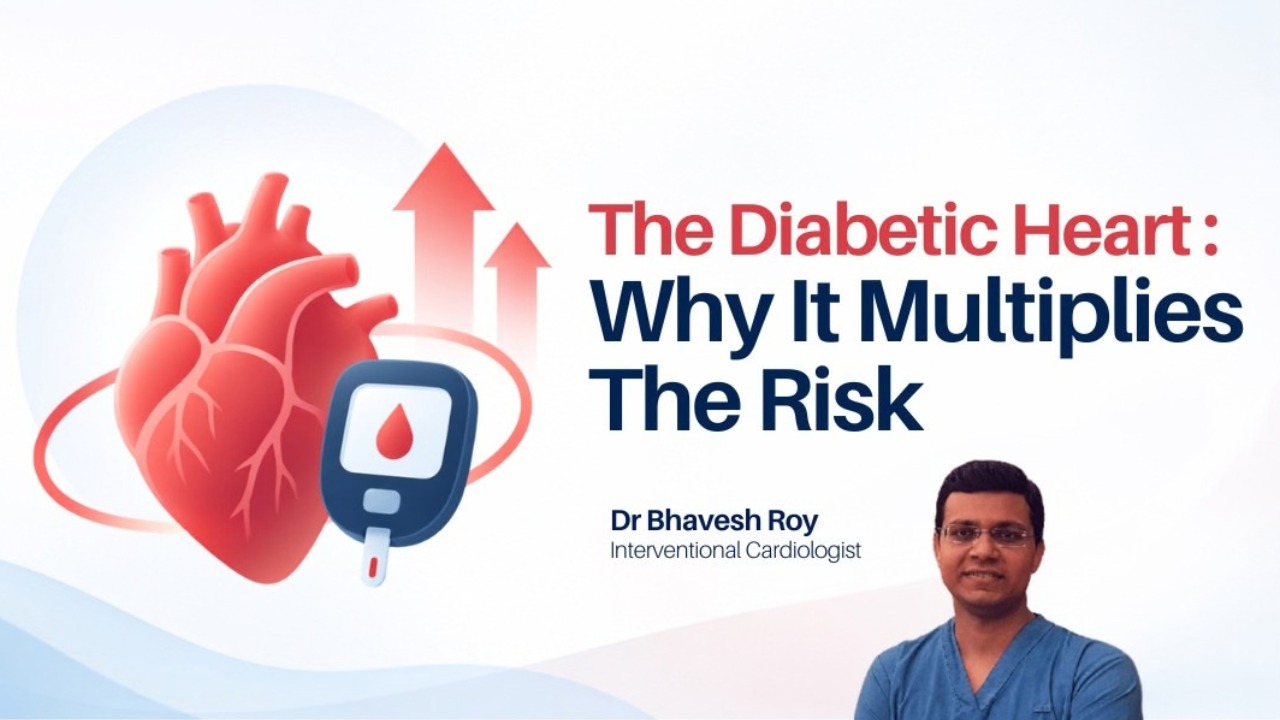
Dr. Bhavesh Roy explains why diabetes multiplies your cardiovascular risk. Learn how high blood sugar damages blood vessels and how to protect your heart.

The Diabetic Heart: Why It Multiplies Your Cardiovascular Risk

18 September 2026 Bhavesh Roy

Quick Answer: The Diabetes and Heart Connection Patients living with diabetes face a drastically multiplied risk of developing severe diabetic…

Continue Reading →

Dr. Bhavesh Roy explains heart rate recovery after exercise. Learn how quickly your pulse should return to normal and what it says about your heart health.

After Exercise, How Quickly Does Your Heart Rate Return to Normal?

11 September 2026 Bhavesh Roy

Quick Answer: The One-Minute Rule When you finish an intense workout, your pulse should naturally begin to slow down immediately.…
Continue Reading →

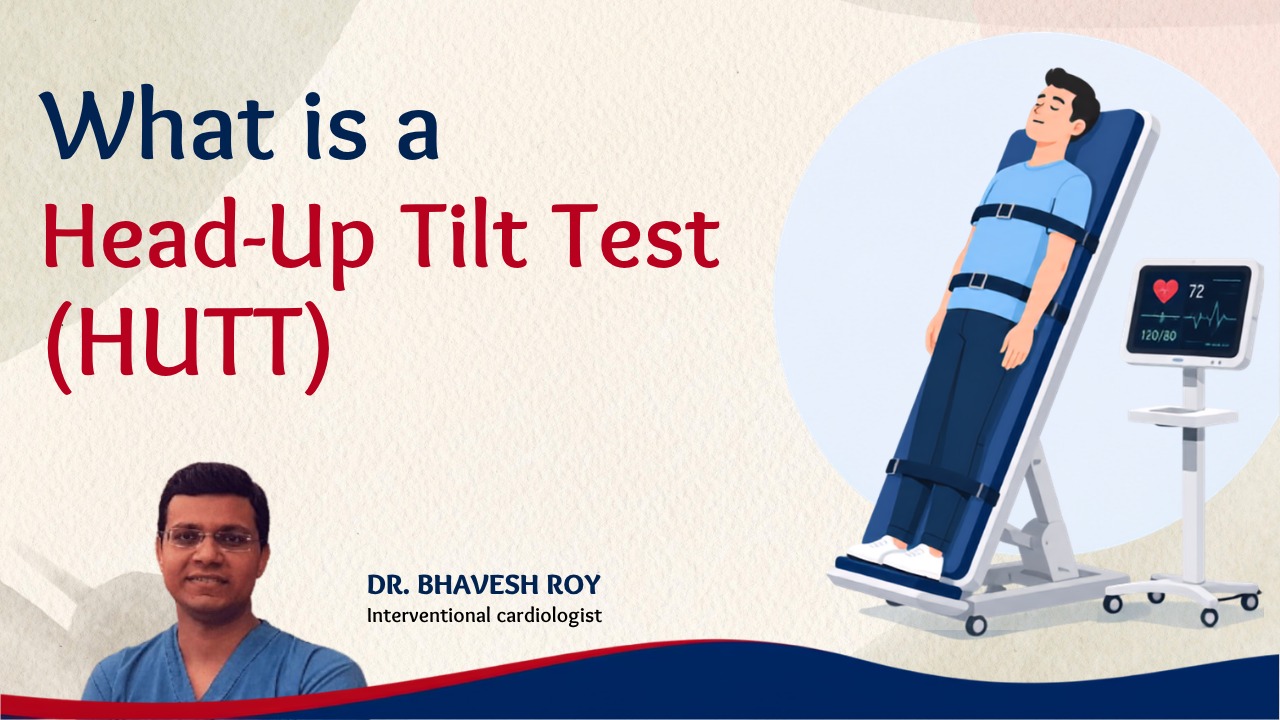
Dr. Bhavesh Roy explains the Head-Up Tilt Test (HUTT). Learn how cardiologists use this safe procedure to diagnose unexplained fainting and dizzy spells.

What is a Head-Up Tilt Test (HUTT) and Why Do You Need It?

3 September 2026 Bhavesh Roy

Quick Answer: What is a HUTT? A Head-Up Tilt Test (HUTT) is a specialized, non-invasive cardiac diagnostic procedure. Cardiologists primarily…
Continue Reading →

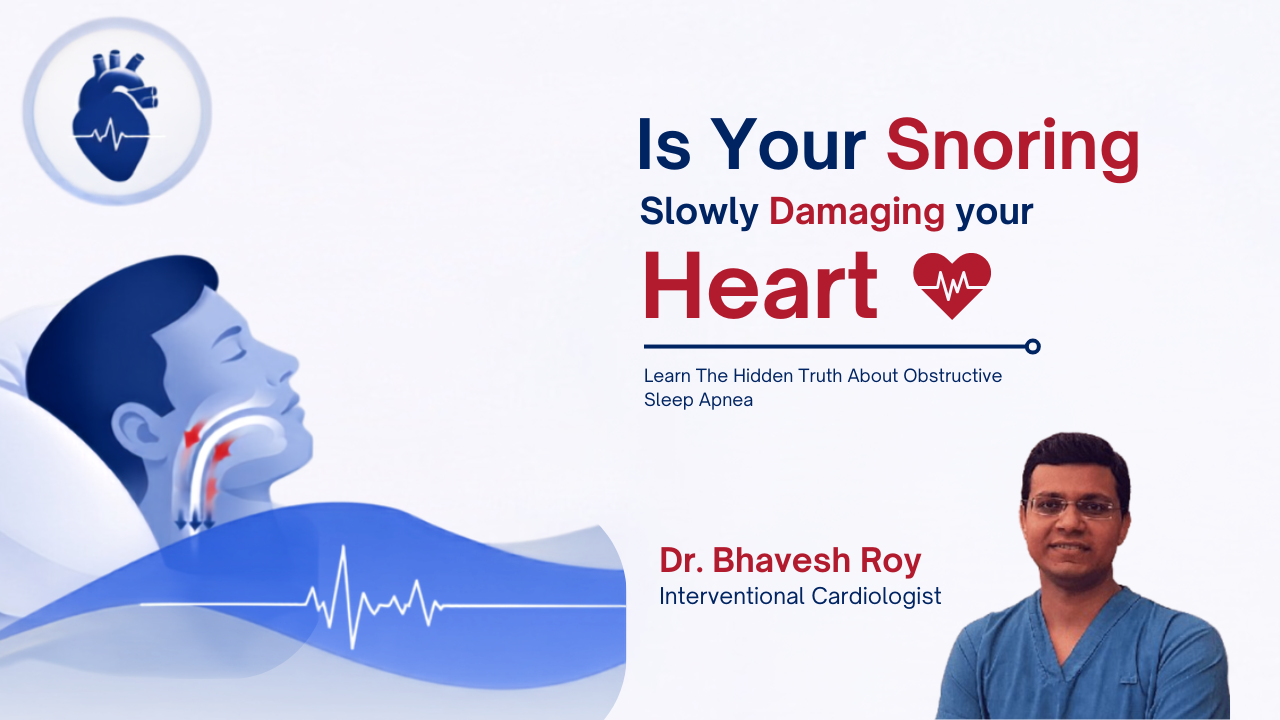
Dr. Bhavesh Roy explains how a sleep study detects obstructive sleep apnea. Discover the hidden heart risks of loud snoring and learn about effective treatments.

Understanding the Sleep Study and Obstructive Sleep Apnea

27 August 2026 Bhavesh Roy

Quick Answer Do you wake up feeling completely exhausted despite spending eight full hours in bed? If so, you might…
Continue Reading →

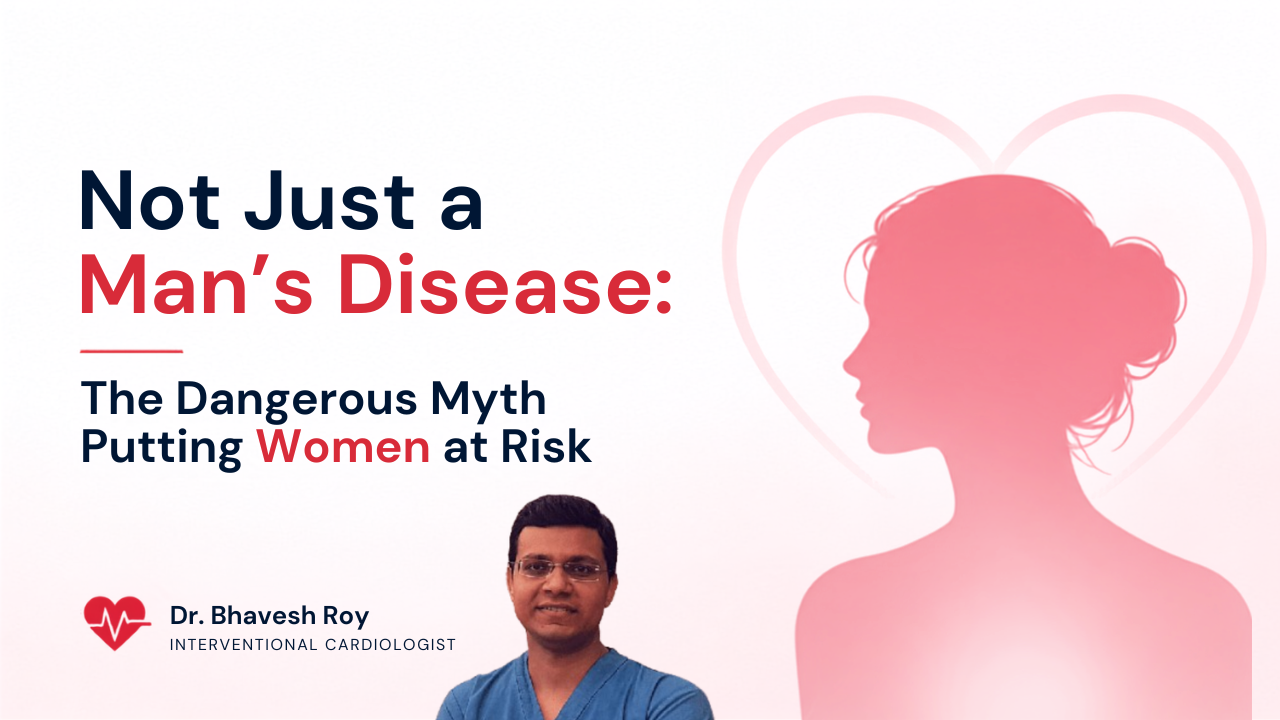
Heart disease is the leading cause of death in women. Dr. Bhavesh Roy explains female heart attack symptoms and the dangerous myths putting women at risk.

Not Just a Man’s Disease: The Dangerous Myth Putting Women at Risk

21 August 2026 Bhavesh Roy

A Startling Reality Check If you ask most women what their biggest health fear is, the answer is almost universally…
Continue Reading →

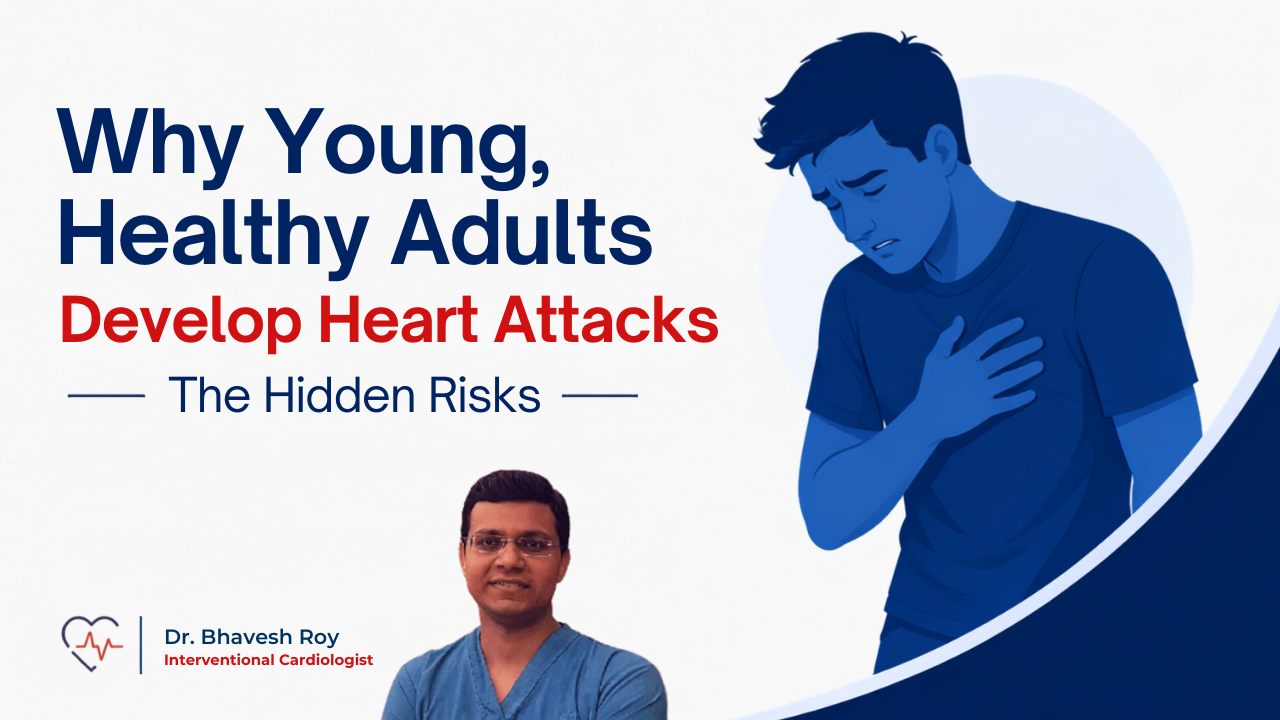
Dr. Bhavesh Roy, Interventional Cardiologist, explaining why young healthy adults develop heart attacks, highlighting hidden cardiovascular risk factors, early warning signs, prevention strategies, and heart health awareness.

Why Young, Healthy Adults Develop Heart Attacks: The Hidden Risks

17 August 2026 Bhavesh Roy

Quick Summary Society generally associates a heart attack with advanced age and poor lifestyle choices. Shockingly, emergency rooms are increasingly…
Continue Reading →

HDL vs LDL cholesterol explained by Dr. Bhavesh Roy, Interventional Cardiologist, highlighting good cholesterol, bad cholesterol, and heart health.

HDL vs. LDL: Why You Need to Stop Fearing All Cholesterol

12 August 2026 Bhavesh Roy

Quick Summary For decades, people have viewed all cholesterol as a dangerous enemy to heart health. However, this is a…
Continue Reading →

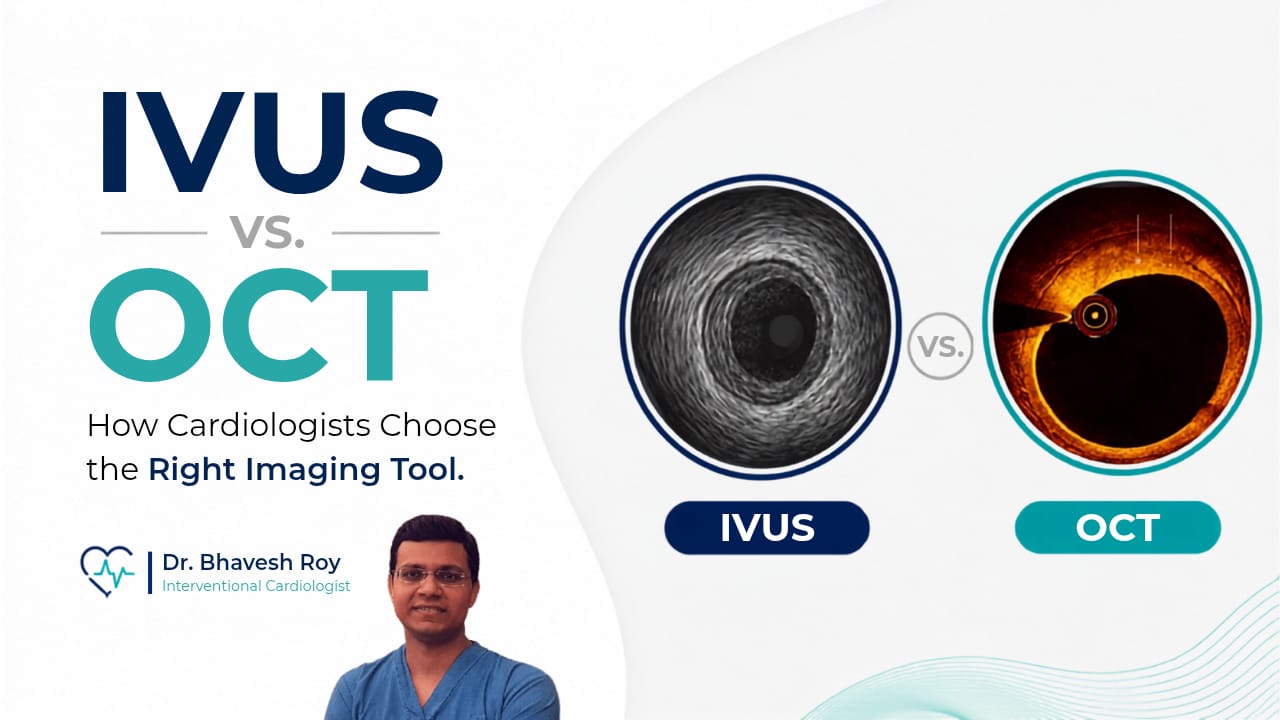
IVUS vs. OCT cardiac imaging comparison graphic featuring Dr. Bhavesh Roy, showing cross-sectional vessel scans.

IVUS vs. OCT: How Cardiologists Choose the Right Imaging Tool

8 August 2026 Bhavesh Roy

Quick Summary First, treating complex coronary artery disease requires highly advanced internal imaging. Specifically, doctors use two incredible microscopic cameras…

Continue Reading →

Minimal medical poster titled "Angiograms vs. Advanced Imaging: Why Your Doctor Needs a Closer Look" featuring a magnifying glass with a heart illustration and the credentials of Dr. Bhavesh Roy, Interventional Cardiologist. Educational cardiology graphic comparing angiography and advanced cardiac imaging.

Angiograms vs. Advanced Imaging: Why Your Doctor Needs a Closer Look

4 August 2026 Bhavesh Roy

Quick Summary First, treating coronary artery disease requires absolute medical precision today. Specifically, a traditional angiogram reveals blockages using a…

Continue Reading →

Infographic comparing Rotablation vs Angioplasty for coronary artery disease treatment, explaining that rotablation is used for heavily calcified coronary artery blockages while angioplasty is used for soft or moderately narrowed arteries. Features key differences, medical illustrations of both procedures, and Dr. Bhavesh Roy, Interventional Cardiologist.

Rotablation vs Angioplasty: Understanding the Key Differences

30 July 2026 Bhavesh Roy

Quick Summary First, understanding treatments for coronary artery disease remains absolutely vital today. Specifically, standard angioplasty treats soft cholesterol blockages…

Continue Reading →

blog navigation

Page 1 of 3
1 2 3 Next →

Latest Blog Widget

  • Dr. Bhavesh Roy explains why diabetes multiplies your cardiovascular risk. Learn how high blood sugar damages blood vessels and how to protect your heart.
    The Diabetic Heart: Why It Multiplies Your Cardiovascular Risk
  • Dr. Bhavesh Roy explains heart rate recovery after exercise. Learn how quickly your pulse should return to normal and what it says about your heart health.
    After Exercise, How Quickly Does Your Heart Rate Return to Normal?
  • Dr. Bhavesh Roy explains the Head-Up Tilt Test (HUTT). Learn how cardiologists use this safe procedure to diagnose unexplained fainting and dizzy spells.
    What is a Head-Up Tilt Test (HUTT) and Why Do You Need It?
  • Dr. Bhavesh Roy explains how a sleep study detects obstructive sleep apnea. Discover the hidden heart risks of loud snoring and learn about effective treatments.
    Understanding the Sleep Study and Obstructive Sleep Apnea
  • Heart disease is the leading cause of death in women. Dr. Bhavesh Roy explains female heart attack symptoms and the dangerous myths putting women at risk.
    Not Just a Man’s Disease: The Dangerous Myth Putting Women at Risk
  • Facebook
  • LinkedIn
  • Twitter
  • Instagram
Copyright © 2026 Dr Bhavesh Roy - Best Cardiologist in Ahmedabad