Cardiology Services and Diagnostic Tests

Cardiology services and diagnostic tests help healthcare professionals assess heart health, investigate symptoms and guide appropriate care. The choice of test or treatment depends on your symptoms, medical history and clinical assessment. Explore the information below to understand common cardiac investigations and treatment options.

Cardiology Consultation

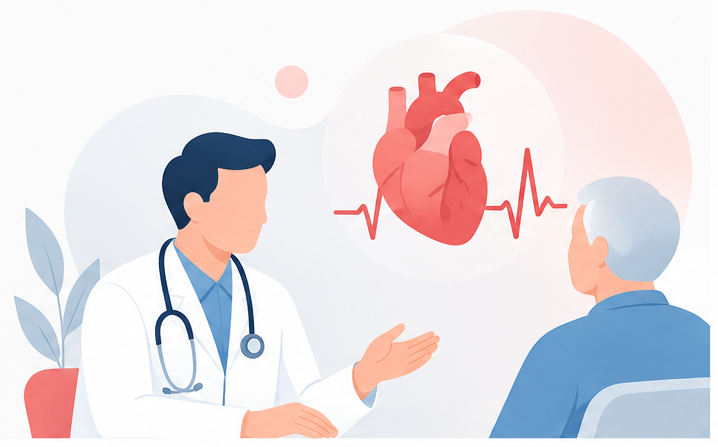
A cardiology consultation may help assess symptoms such as chest discomfort, breathlessness, palpitations or dizziness. The cardiologist reviews your medical history, examines you and recommends investigations or treatment based on your individual needs.

Cardiac Diagnostic Tests

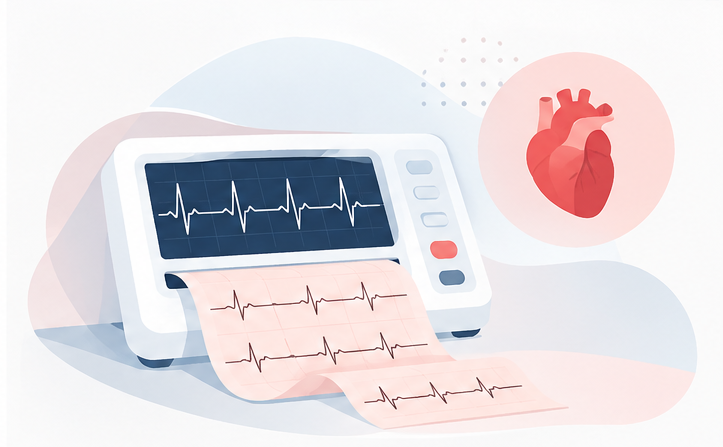
Cardiac diagnostic tests help assess heart rhythm, structure, pumping function and response to exercise. The appropriate test depends on your symptoms, medical history and clinical assessment. Your healthcare professional can explain the purpose and results of each recommended test.

Common Cardiac Investigations

Depending on the symptoms and clinical assessment, cardiac investigations may include an electrocardiogram (ECG), echocardiogram, blood tests, heart rhythm monitoring or an exercise test. Each test serves a different purpose, and not every person needs every investigation.

How Cardiac Tests Are Selected

The choice of cardiac investigation depends on the symptoms, medical history, examination findings and clinical assessment. An ECG records the heart’s electrical activity, an echocardiogram assesses its structure and pumping function, and rhythm monitoring may help investigate intermittent palpitations. Your healthcare professional will recommend tests according to your individual needs.