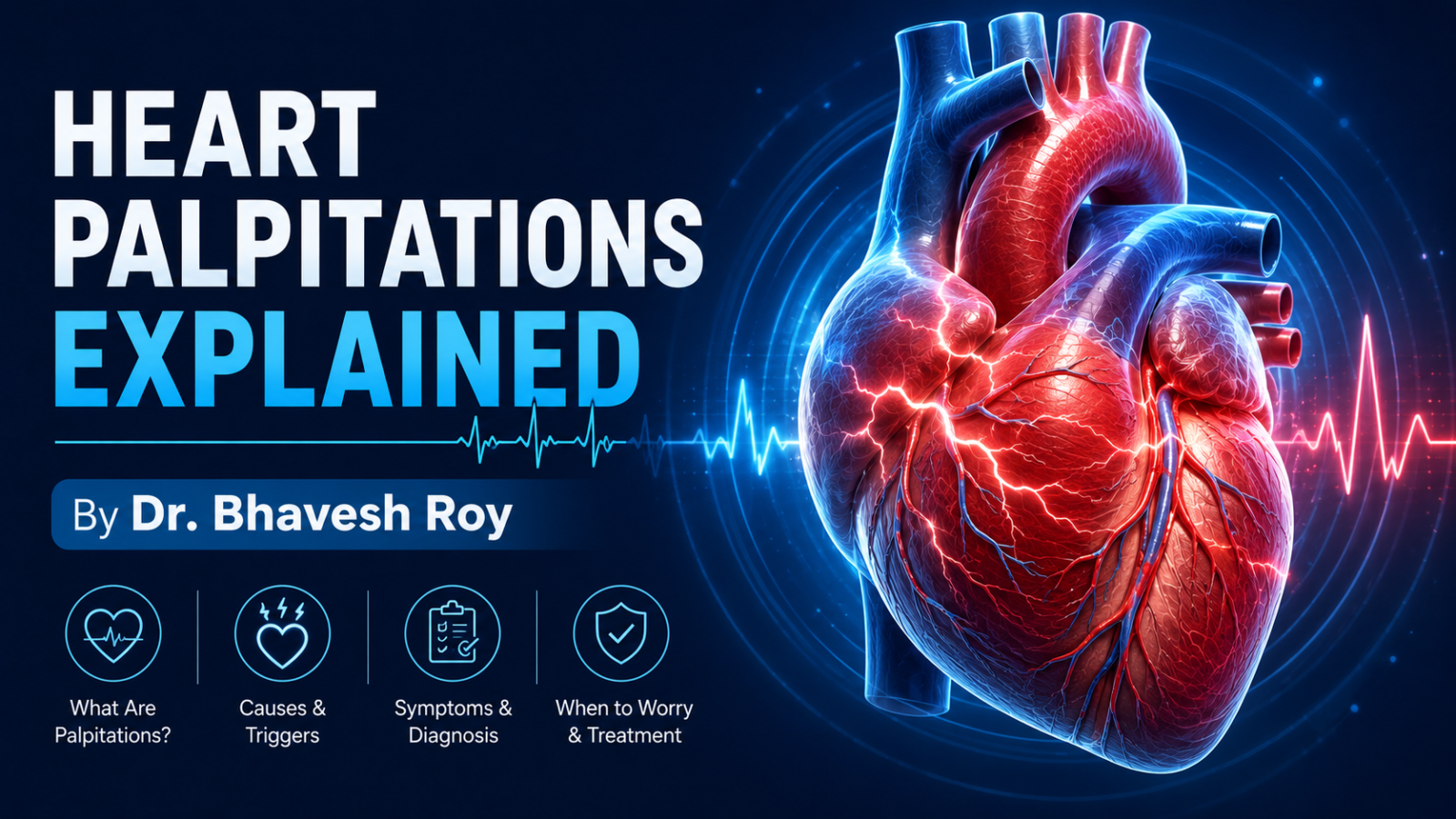
Quick Answer: What are Heart Palpitations?
Heart palpitations are the sensation of a racing, fluttering, pounding, or skipping heartbeat. They are commonly triggered by stress, caffeine, dehydration, or lifestyle factors, and are often harmless. However, if they occur frequently or alongside chest pain, dizziness, or shortness of breath, they require immediate medical evaluation to rule out underlying conditions.
Introduction
Have you ever felt a sudden flutter in your chest while sitting at your desk? Or perhaps you have woken up in the middle of the night feeling like your heart is running a marathon? If so, you have experienced heart palpitations.
This sensation can be deeply unsettling. It often leaves people wondering if they are experiencing a medical emergency or a temporary glitch brought on by stress. While many episodes are completely benign, persistent changes in your heart rhythm should never be ignored. Maintaining optimal heart health requires understanding what your body is trying to communicate.
In this comprehensive guide, we will break down everything you need to know about a racing or pounding heart. We will explore common triggers, distinguish between harmless flutters and serious heart conditions, and outline how a professional cardiology evaluation can provide peace of mind.
Table of Contents
- What Are Heart Palpitations?
- Common Symptoms of Heart Palpitations
- Causes of Heart Palpitations
- Risk Factors for Heart Palpitations
- When Should You Worry About Heart Palpitations?
- How Are Heart Palpitations Diagnosed?
- Treatment Options for Heart Palpitations
- Home Remedies and Prevention Tips
- Heart Palpitations During Pregnancy
- Heart Palpitations vs Arrhythmia
- Frequently Asked Questions (FAQs)
- Key Takeaways
What Are Heart Palpitations?
Definition Box
Heart palpitations refer to an increased awareness of your own heartbeat. This includes sensations that your heart is beating too fast, pounding against your chest wall, fluttering rapidly, or skipping a beat entirely.
These sensations can be felt in your chest, throat, or neck. They can occur whether you are actively moving or resting.
Why Do They Occur?
Your heart relies on a sophisticated, internal electrical system to regulate its beats. This system signals the heart muscle to contract and pump blood efficiently throughout your body.
When something interferes with these electrical paths—even temporarily—it can cause a brief disruption. This disruption manifests as a noticeable, irregular awareness of your pulse.
How Common Are They?
Palpitations are incredibly common clinical complaints. Almost everyone will experience them at some point in their lifetime. For the vast majority of individuals, these episodes are fleeting and do not indicate a structural problem with the heart. However, tracking their frequency is highly beneficial for your medical records.
What Do Heart Palpitations Feel Like?
The sensation varies significantly from person to person. Some people describe it as a gentle, rhythmic thump, while others feel an intense, chaotic flip-flop inside their chest cavity. It can last for just a fleeting second or persist for several minutes at a time.
Are Heart Palpitations Always a Sign of Heart Disease?
No, they are not. Experiencing a sudden shift in your heartbeat does not automatically mean you have cardiovascular disease. External elements like anxiety, a heavy meal, intense physical exertion, or an extra cup of espresso frequently trigger them.
That said, they can be a primary symptom of underlying heart rhythm disorders. This makes it essential to look at the broader clinical picture.
Common Symptoms of Heart Palpitations
When your heart deviates from its normal rhythm, it can cause several distinct sensations. Recognizing these symptoms helps you accurately describe the events to your healthcare provider.
- Fluttering in the chest: A sensation often described as a bird flapping its wings inside your ribs.
- Racing heartbeat: Feeling as though your heart is accelerating rapidly without physical exertion.
- Pounding heartbeat: A heavy, forceful beating sensation that you can sometimes feel in your neck or ears.
- Skipped beats: The distinct feeling that your heart paused momentarily and then followed up with a forceful thud.
- Dizziness: A lightheaded feeling that may accompany an episode of an irregular pulse.
- Shortness of breath: Finding it unusually difficult to catch your breath while your heart is misbehaving.
- Chest discomfort: A mild sense of tightness or pressure occurring alongside the rhythmic changes.
Symptom Checklist for Patients
If you regularly experience these changes, use this quick checklist to track your episodes before your next appointment:
- Did the sensation start suddenly or build up gradually?
- What were you doing when it began (e.g., drinking coffee, arguing, resting)?
- Approximately how many minutes or seconds did it last?
- Did you feel dizzy, lightheaded, or faint?
- Did it happen during the day, or did you notice palpitations at night?
Causes of Heart Palpitations
The causes of heart palpitations are diverse, spanning from everyday lifestyle habits to underlying clinical conditions. To make them easier to understand, we categorize these triggers into lifestyle, psychological, systemic, and cardiac factors.
| Category | Primary Triggers & Causes |
|---|---|
| Lifestyle & Dietary | Excess caffeine, nicotine use, alcohol consumption, dehydration, lack of sleep, or heavy meals. |
| Psychological | Emotional stress, acute anxiety, panic attacks, or intense fear. |
| Hormonal & Systemic | Pregnancy, thyroid disorders (hyperthyroidism), fever, or low blood sugar. |
| Medications | Decongestants, asthma inhalers, diet pills, or certain blood pressure medications. |
| Cardiac Conditions | Arrhythmia, valve disease, prior heart attacks, or early stages of heart failure. |
Anxiety and Heart Palpitations
There is a powerful, direct connection between anxiety and heart palpitations. When you experience stress or a panic attack, your brain triggers the release of adrenaline and cortisol.
These stress hormones instantly accelerate your heart rate and increase myocardial contractility. This response makes you highly aware of every single beat. This often creates a frustrating cycle: anxiety triggers the fluttering, and the fluttering causes more anxiety.
Can Caffeine Cause Heart Palpitations?
Yes, it can. Caffeine acts as a central nervous system stimulant. When consumed in large amounts through coffee, energy drinks, or pre-workout supplements, it stimulates your adrenal glands.
This stimulation can lead to a racing heart or frequent skipped heartbeats. If you notice a direct link between your morning brew and a fluttering chest, reducing your caffeine intake is an excellent first step.
Risk Factors for Heart Palpitations
While anyone can experience a change in their heart rhythm, certain demographic and medical risk factors increase your vulnerability:
- Age: Older adults are more prone to developing underlying structural changes or electrical disruptions in the heart.
- Existing Heart Disease: A history of a heart attack, heart failure, or damaged heart valves increases the risk of arrhythmia symptoms.
- High Blood Pressure: Chronic hypertension strains the heart muscle over time, potentially altering its natural electrical pathways.
- Thyroid Disorders: An overactive thyroid gland speeds up the body’s metabolic processes, acting as a major contributor to rapid heartbeat causes.
- Diabetes: Fluctuating blood sugar levels and metabolic changes can impact autonomic nerve functions regulating the heart.
- Lifestyle Choices: Chronic smoking, heavy alcohol use, drug abuse, and a high-stress lifestyle significantly elevate your baseline risk.
- Obesity: Carrying excess weight places an added workload on the cardiovascular system, which can disrupt steady rhythms.
- Family History: Having immediate family members diagnosed with genetic heart rhythm issues increases your personal susceptibility.
When Should You Worry About Heart Palpitations?
For many individuals, a brief flutter is harmless. However, you must be able to recognize the critical warning signs that indicate a potentially dangerous situation.
ARE YOUR PALPITATIONS ACCOMPANIED BY:
[ Chest Pain ] ------> YES ------> SEEK EMERGENCY CARE
[ Fainting ]   ------> YES ------> CALL 108 IMMEDIATELY
[ Dizziness ]  ------> YES ------> URGENT CARDIOLOGY EVALUATION

If NO to all, but they are frequent or worsening:
Schedule a standard diagnostic visit with your cardiologist.
Warning Signs of Dangerous Palpitations
If your irregular heartbeat is accompanied by any of the following symptoms, seek emergency medical care immediately:
- Chest pain, pressure, or tightness
- Fainting (syncope) or near-fainting episodes
- Severe, unmanageable dizziness or lightheadedness
- Sudden, severe shortness of breath
- A persistent rapid heartbeat that fails to slow down after resting
Normal vs. Concerning Symptoms
To help you evaluate your situation, compare your symptoms using this reference table:
| Normal / Low-Risk Symptoms | Concerning / High-Risk Symptoms |
|---|---|
| Lasts only a few seconds. | Persists for several minutes or hours. |
| Triggered by an obvious cause like exercise or a fright. | Occurs completely out of the blue while resting. |
| Resolves fully when you sit down and take deep breaths. | Accompanied by extreme cold sweats, confusion, or pain. |
| Happens very rarely (e.g., once every few months). | Increases in frequency, severity, or duration over time. |
| No associated dizziness or breathing problems. | Causes you to lose consciousness or feel profoundly weak. |
How Are Heart Palpitations Diagnosed?
Uncovering the precise root cause of your symptoms requires a systematic medical approach. During your initial cardiology evaluation, your specialist will review your personal medical history, perform a physical examination, and order targeted diagnostic tests.
What Tests Are Used to Find the Cause of Heart Palpitations?
- Electrocardiogram (ECG/EKG): A foundational, non-invasive test that records your heart’s electrical activity for a brief moment in the clinic. It helps detect active rhythm abnormalities. Learn more about standard ECG testing.
- Holter Monitoring: A portable ECG device worn for 24 to 48 hours. It continuously logs your heart activity as you complete your normal daily routines. This is highly useful for catching intermittent flutters.
- Event Recorder: Similar to a Holter monitor, but worn for up to 30 days. You manually activate it only when you actively feel a symptom starting.
- Echocardiogram: An ultrasound of the heart that creates detailed images of its chambers, valves, and pumping performance. This helps rule out structural defects.
- Stress Testing: An evaluation where your heart activity is monitored while you walk on a treadmill. This helps determine if exercise triggers your symptoms.
- Blood Tests: Lab work designed to check your thyroid hormone levels, evaluate electrolyte balances, and look for signs of anemia.
Treatment Options for Heart Palpitations
The ideal choice for heart palpitations treatment depends entirely on what your diagnostic tests reveal. If no structural issues or dangerous electrical anomalies are found, treatment focuses primarily on lifestyle adjustments.
Treatment Modalities Comparison
| Treatment Category | Common Methods | Expected Outcome |
|---|---|---|
| Lifestyle Modification | Eliminating triggers (caffeine, alcohol), optimizing sleep patterns, and drinking more fluids. | Reduces or eliminates benign episodes naturally. |
| Stress Management | Cognitive Behavioral Therapy (CBT), daily meditation, deep breathing, and regular yoga. | Balances the nervous system to prevent adrenaline spikes. |
| Medication Adjustments | Changing current prescriptions that might be causing side effects under medical guidance. | Stops externally induced cardiac stimulation safely. |
| Pharmacotherapy | Prescribing specialized medications such as beta-blockers. | Regulates heart rate and dampens erratic electrical signals. |
| Advanced Cardiac Interventions | Catheter ablation or implanting a pacemaker for confirmed arrhythmias. | Corrects faulty electrical pathways within the heart muscle. |
Home Remedies and Prevention Tips
If your cardiologist confirms that your symptoms are benign, you can use several practical strategies at home to keep them at bay:
- Reduce caffeine intake: Switch to decaffeinated options, and be cautious with dark chocolate or over-the-counter pain medications that contain hidden caffeine.
- Stay thoroughly hydrated: Dehydration causes your blood volume to drop, forcing your heart to work harder and beat faster. Aim for consistent water intake throughout the day.
- Exercise regularly: Engaging in moderate cardio, like brisk walking or swimming, strengthens your cardiovascular system and lowers your resting heart rate over time.
- Improve sleep quality: Aim for 7 to 8 hours of uninterrupted rest each night to prevent systemic physical stress.
- Manage stress effectively: Dedicate at least 10 minutes a day to mindfulness practices or progressive muscle relaxation techniques.
- Avoid nicotine and limit alcohol: Both substances act as cardiac stimulants and can alter your heart’s natural rhythm.
Lifestyle Prevention Checklist
- You drink at least 8-10 glasses of water daily.
- You have limited my coffee intake to a safe level.
- You practice deep-breathing exercises when feeling overwhelmed.
- You avoid using tobacco or vaping products entirely.
- You track my sleep habits to ensure adequate physical recovery.
Heart Palpitations During Pregnancy
It is remarkably common for women to experience an irregular or racing heart during pregnancy. This happens due to two primary physiological shifts:
- Hormonal Surges: Progesterone and estrogen levels increase drastically. This directly impacts your vascular system and changes how your heart reacts to daily exertion.
- Increased Blood Volume: A pregnant woman’s total blood volume increases by nearly 40% to 50% to support the developing baby. This requires the maternal heart to pump much harder, often increasing the baseline heart rate by 10 to 15 beats per minute.
While most gestational flutters are completely benign, they should always be mentioned during routine prenatal checkups. If they cause severe lightheadedness or are accompanied by a racing pulse that will not subside, seek immediate medical advice.
Heart Palpitations vs Arrhythmia
People often use these two terms interchangeably, but they have distinct medical definitions. Understanding the difference is highly beneficial for your proactive health management.
| Feature | Heart Palpitations | Arrhythmia |
|---|---|---|
| Core Definition | The sensation of your heart beating irregularly, rapidly, or forcefully. | A confirmed medical condition involving an abnormal electrical heartbeat pattern. |
| Primary Causes | Often triggered by lifestyle factors, stress, caffeine, or strong emotions. | Caused by malfunctioning electrical pathways or structural damage within the heart. |
| How It’s Identified | Reported directly by the patient based on their personal physical feelings. | Diagnosed objectively by a doctor using tools like an ECG or Holter monitor. |
| Clinical Severity | Typically harmless and fleeting in the majority of cases. | Can range from completely benign to life-threatening if left untreated. |
| Long-Term Management | Focused heavily on stress relief and modifying daily lifestyle habits. | May require beta-blockers, anti-arrhythmic medications, or catheter ablation procedures. |
Frequently Asked Questions (FAQs)
1. What are heart palpitations?
They are the physical sensation of an irregular, rapid, fluttering, or unusually forceful heartbeat. Patients often report feeling like their heart is skipping a beat or pounding heavily against their ribcage.
2. What causes heart palpitations?
They can be caused by lifestyle factors (caffeine, alcohol, smoking, dehydration), emotional states (high stress, anxiety, panic), hormonal fluctuations (pregnancy, thyroid imbalances), or structural heart rhythm disorders.
3. Are heart palpitations dangerous?
In most cases, they are completely harmless and resolve on their own without treatment. However, they can be dangerous if they stem from a serious underlying cardiac condition. This makes a proper medical evaluation important if they occur frequently.
4. When should I worry about heart palpitations?
You should seek emergency medical care if your episodes occur alongside crushing chest pain, fainting, severe dizziness, sudden shortness of breath, or a prolonged rapid pulse.
5. Can anxiety cause heart palpitations?
Yes, anxiety is one of the most common non-cardiac causes. Stress triggers the body’s “fight-or-flight” response, releasing adrenaline that directly accelerates your heart rate and increases your awareness of each beat.
6. Can dehydration cause heart palpitations?
Yes, dehydration reduces the total volume of blood circulating through your body. This forces your heart to pump much faster and harder to maintain adequate blood pressure, frequently triggering a fluttering sensation.
7. How are heart palpitations diagnosed?
Cardiologists diagnose them using a comprehensive physical exam, a review of your lifestyle habits, and objective tests like an ECG, Holter monitoring, echocardiograms, or blood draws.
8. What is the best treatment for heart palpitations?
The best treatment depends entirely on the underlying cause. Benign cases improve with lifestyle modifications like stress relief and avoiding caffeine. Confirmed arrhythmias may require prescription medications, lifestyle coaching, or specialized cardiac procedures.
9. Can heart palpitations go away on their own?
Yes, many episodes disappear completely once the immediate trigger is removed—such as when you calm down from a stressful event, rehydrate, or reduce your daily caffeine consumption.
10. Are heart palpitations a sign of a heart attack?
On their own, they are rarely a sign of an active heart attack. However, if your fluttering chest is paired with radiating left arm pain, jaw discomfort, pressure, or cold sweats, you must treat it as a medical emergency.
11. What foods trigger heart palpitations?
Foods high in refined sugars, heavy carbohydrates, or sodium can trigger them. Additionally, aged cheeses or cured meats containing tyramine, as well as products with MSG, can cause an increased heart rate in sensitive individuals.
12. Can caffeine cause heart palpitations?
Yes, caffeine is a natural stimulant that increases central nervous system activity. Consuming it via coffee, soda, or energy drinks can easily cause a racing heart or temporary skipped beats.
13. Are heart palpitations common during pregnancy?
Yes, they are very common due to hormonal shifts and a natural 40% to 50% increase in total blood volume, which places an increased operational demand on the maternal heart.
14. How long do heart palpitations last?
Benign episodes usually last for just a few seconds or a couple of minutes. If your heart remains in an irregular or racing state for hours at a time, it strongly points to a need for clinical intervention.
15. Which doctor should I see for heart palpitations?
You should see a board-certified cardiologist. A specialist in cardiovascular medicine possesses the diagnostic tools and training required to accurately analyze your heart’s electrical patterns.
Key Takeaways
- Awareness vs. Disease: Palpitations are a heightened awareness of your heartbeat and do not always indicate structural heart disease.
- Common Triggers: Stress, anxiety, excess caffeine, and mild dehydration are the most frequent lifestyle causes.
- Anxiety Connection: The adrenaline released during panic attacks directly causes a racing or pounding chest.
- Pregnancy Factor: Increased blood volume and hormonal shifts routinely cause harmless flutters during pregnancy.
- Identify Red Flags: Fainting, chest pain, and severe shortness of breath are clear signs that require immediate emergency care.
- Diagnostic Tools: Holter monitors and standard ECGs are highly effective at capturing intermittent electrical irregularities.
- Effective Management: Most benign cases can be managed effectively with simple hydration, stress management, and dietary changes.
- Expert Consultation: Seeking a professional cardiology evaluation is the most reliable way to rule out complex heart rhythm disorders.
Conclusion
Experiencing unexpected heart palpitations can be uncomfortable, but understanding their patterns empowers you to manage your cardiovascular health proactively. By recognizing your personal lifestyle triggers, practicing stress reduction, and staying hydrated, you can significantly minimize these episodes.
However, your heart health is far too vital to leave to guesswork. If you experience frequent flutters or notice worsening symptoms, scheduling a specialized medical review is a smart, reassuring step.
Consult Dr. Bhavesh Roy for Cardiovascular Evaluation
Are you or a loved one experiencing frequent heart palpitations, unexpected chest discomfort, dizziness, shortness of breath, or concerning irregular heartbeat symptoms? Do not wait for symptoms to worsen. Contact the clinic today to schedule a comprehensive, expert evaluation with Dr. Bhavesh Roy. Receive an accurate diagnosis and a personalized care plan designed to protect your long-term heart health.