Quick Answer
What is the tavr full form in medical? The tavr full form in medical stands for Transcatheter Aortic Valve Replacement. It is a minimally invasive procedure designed to replace a narrowed, failing aortic valve without open-heart surgery. Using a thin catheter, cardiologists deliver an artificial heart valve to restore proper blood flow and relieve severe aortic stenosis symptoms.
Introduction
When you or a loved one receives a diagnosis of severe heart valve disease, cardiologists often introduce a flurry of complex terminology. If your doctor recently suggested a modern valve replacement, you are likely searching for the tavr full form in medical terms and wondering exactly what this procedure entails.
At Dr. Bhavesh Roy’s cardiology clinic, we believe that informed patients make the best healthcare decisions. Therefore, we dedicate ourselves to demystifying complex cardiac procedures. Decades ago, fixing a failing heart valve required cracking the chest open. Today, modern cardiology offers a revolutionary, minimally invasive alternative.
In this comprehensive guide, we will break down what TAVR is, the specific conditions it treats, the step-by-step procedure, and how it dramatically compares to traditional open-heart surgery. Ultimately, this information will empower you to take charge of your cardiovascular health.
Table of Contents
- TAVR Full Form in Medical
- What Is TAVR?
- What Conditions Does TAVR Treat?
- Who Is a Candidate for TAVR?
- TAVR Procedure Step by Step
- Benefits of TAVR
- Risks and Complications of TAVR
- TAVR vs Open Heart Valve Replacement
- Recovery After TAVR
- Success Rate and Long-Term Outlook
- Frequently Asked Questions
- Key Takeaways
- Conclusion
TAVR Full Form in Medical
Definition Box: The tavr full form in medical terminology is Transcatheter Aortic Valve Replacement.
- Transcatheter: The doctor performs the procedure through a thin, flexible tube (catheter) inserted into a blood vessel, rather than opening the chest.
- Aortic: Relates to the aortic valve, the main gateway that allows oxygen-rich blood to leave the heart and travel to the rest of the body.
- Valve: The biological flaps (leaflets) that open and close to keep blood flowing in the correct direction.
- Replacement: The process of wedging a new, artificial heart valve directly inside the old, diseased valve.
Understanding the TAVR Full Form in Medical Contexts: TAVI vs TAVR
You might frequently hear the term TAVI alongside TAVR. Specifically, TAVI stands for Transcatheter Aortic Valve Implantation. In the medical field, TAVI and TAVR refer to the exact same procedure. Cardiologists use these terms interchangeably depending on geographic region or hospital preference.
What Is TAVR?
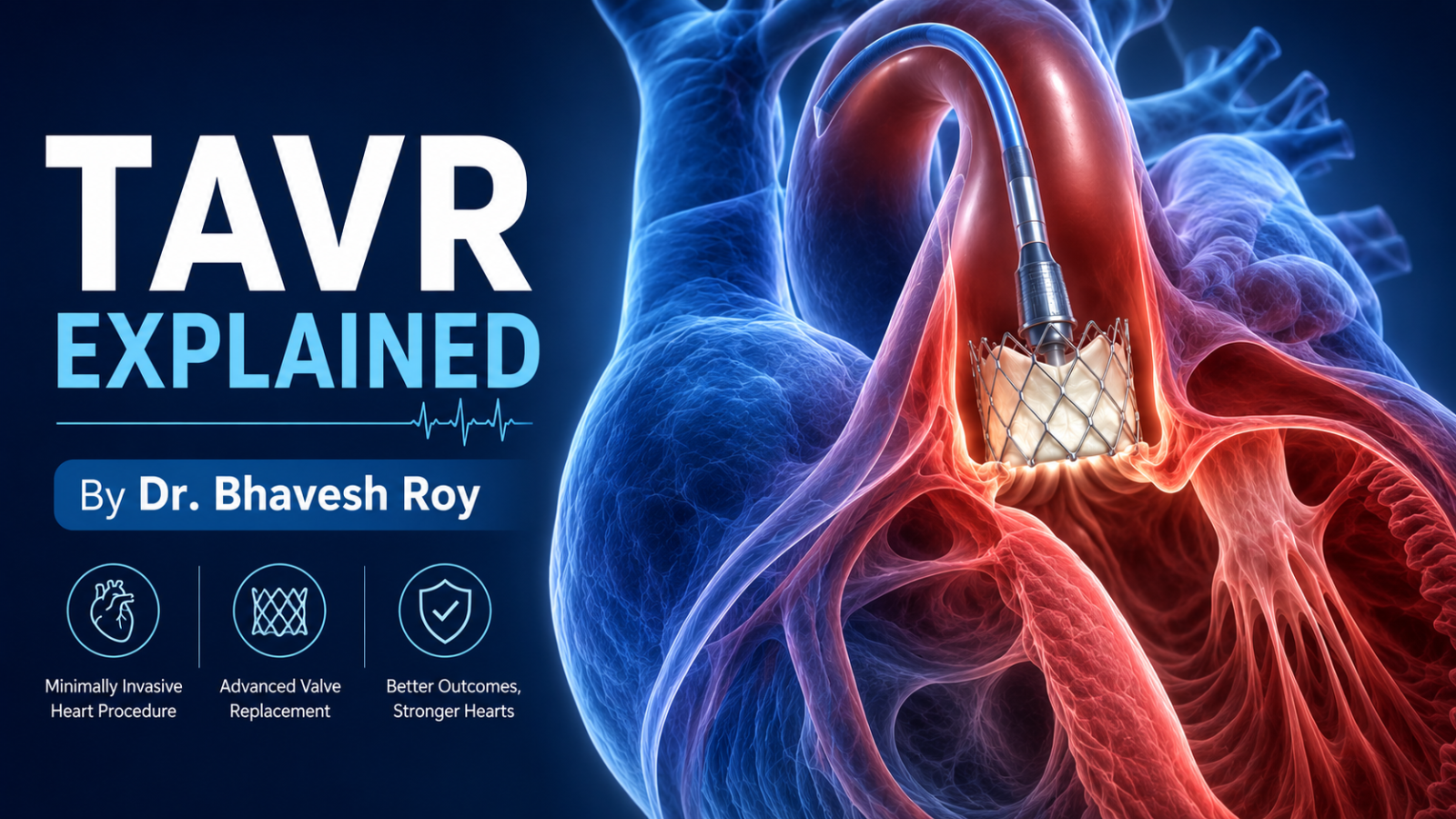
TAVR is a highly advanced, minimally invasive heart surgery that replaces a diseased aortic valve. Instead of surgically removing the old, damaged valve, an interventional cardiologist wedges a fully functional artificial heart valve into the valve’s existing space.
How Does TAVR Replace the Aortic Valve?
The new artificial valve features a collapsible metal frame wrapped in biological tissue (usually from a cow or pig). The cardiologist collapses this new valve, places it inside a catheter, and threads it up to your heart. Once positioned inside the diseased valve, the doctor expands the new valve. Consequently, the new valve pushes the old valve leaflets out of the way and securely takes over the job of regulating blood flow.
Why Is TAVR Considered Minimally Invasive?
Surgeons consider TAVR minimally invasive because it eliminates the need for a sternotomy (cutting the breastbone open) and avoids placing the patient on a heart-lung bypass machine. Instead, doctors typically access the heart through a small puncture in the femoral artery (in the groin). As a result, this approach dramatically reduces physical trauma to the body.
What Conditions Does TAVR Treat?
TAVR specifically targets a life-threatening condition called severe aortic stenosis.
Understanding Severe Aortic Stenosis
Aortic stenosis occurs when calcium deposits build up on the leaflets of the aortic valve. Over time, this calcification causes the valve to stiffen and narrow. Therefore, the heart must work significantly harder to pump blood through this tight opening to the rest of the body. Eventually, this extra strain weakens the heart muscle, leading to heart failure.
Common Symptoms of Aortic Stenosis
Patients suffering from this condition frequently experience the following symptoms:
- Severe chest pain or pressure (angina).
- Unexplained shortness of breath, especially during mild physical activity.
- Dizziness, lightheadedness, or fainting spells (syncope).
- Profound fatigue and declining exercise capacity.
- Rapid, fluttering heartbeats (palpitations).
Who Is a Candidate for TAVR?
Originally, medical regulatory bodies only approved TAVR for elderly patients deemed too high-risk for open-heart surgery. However, modern cardiology advancements now allow interventional cardiologists to offer TAVR to intermediate and low-risk patients as well.
Ideal TAVR Candidate Profile
| Patient Category | Description & Criteria |
|---|---|
| High-Risk Patients | Elderly patients (typically 75+ years old) or those with severe comorbidities like kidney failure, severe lung disease, or previous open-heart surgeries. |
| Intermediate & Low-Risk Patients | Younger, healthier patients who prefer a faster recovery time and wish to avoid the trauma of a sternotomy. |
| Failing Bioprosthetic Valves | Patients who previously received a tissue valve (via open-heart surgery) that is now failing. Doctors perform a “valve-in-valve” TAVR procedure. |
TAVR Procedure Step by Step
Dr. Bhavesh Roy and his specialized heart team perform the TAVR procedure in a highly equipped hybrid operating room or cardiac catheterization lab. Here is the step-by-step process:
- Anesthesia and Preparation: The anesthesiologist administers either conscious sedation (twilight sleep) or general anesthesia. The team closely monitors your vital signs.
- Arterial Access: The cardiologist makes a small puncture, usually in the femoral artery in your groin. (Alternatively, they may use an artery in the neck or a small incision in the chest).
- Catheter Insertion: The doctor carefully threads a hollow catheter through the blood vessel and guides it up into the heart.
- Valve Delivery: The team passes the collapsed artificial heart valve through the catheter until it reaches the diseased aortic valve.
- Valve Deployment: The cardiologist expands the new valve using a tiny balloon, or the valve self-expands upon release. It securely wedges itself inside the old valve.
- Function Check: The doctor uses echocardiography and X-ray imaging to confirm the new valve opens and closes perfectly.
- Removal and Closure: The cardiologist removes the catheter and closes the small puncture site in the groin.
Benefits of TAVR
Choosing an aortic stenosis treatment like TAVR offers extraordinary advantages over traditional surgery.
Key Benefits Summary
| Benefit | Explanation |
|---|---|
| Shorter Hospital Stay | Most patients go home within 1 to 3 days, compared to a week or more for open-heart surgery. |
| Faster Recovery Time | Patients typically return to normal activities within weeks rather than months. |
| No Large Scars | Because doctors avoid cutting the chest bone, patients only have a tiny bandage on their groin. |
| Immediate Symptom Relief | Patients often notice an immediate improvement in breathing and energy levels right after waking up. |
| Lower Surgical Trauma | Avoiding the heart-lung bypass machine reduces systemic inflammation and protects organ function. |
Risks and Complications of TAVR
While TAVR represents a massive leap in medical safety, all cardiac procedures carry inherent risks. Dr. Bhavesh Roy meticulously evaluates every patient to minimize these potential complications.
- Bleeding Issues: Bleeding can occur at the catheter insertion site or from damaged blood vessels.
- Stroke: Calcium debris from the old valve can occasionally break loose and travel to the brain.
- Need for a Pacemaker: The new valve can press against the heart’s electrical system, causing rhythm issues (arrhythmias) that require a permanent pacemaker.
- Valve Leaks (Paravalvular Regurgitation): Sometimes, blood leaks around the edges of the new valve if it does not seal perfectly against the old calcified valve.
- Kidney Injury: The contrast dye used for imaging during the procedure can temporarily affect kidney function.
TAVR vs Open Heart Valve Replacement
Understanding the difference between these two approaches helps patients make confident healthcare decisions.
| Feature | TAVR (Transcatheter Approach) | SAVR (Surgical Open-Heart Approach) |
|---|---|---|
| Invasiveness | Minimally invasive (catheter through the groin). | Highly invasive (sternum cut open). |
| Anesthesia | Often utilizes conscious sedation or light general anesthesia. | Always requires deep general anesthesia. |
| Heart-Lung Machine | Not required. The heart beats naturally during the procedure. | Required. The machine temporarily takes over heart and lung function. |
| Recovery Time | 1 to 3 days in the hospital; weeks to fully recover. | 5 to 7 days in the hospital; months to fully recover. |
| Best Candidates | Patients of all risk levels, particularly older adults or high-risk patients. | Younger patients, or patients requiring multiple cardiac surgeries at once (e.g., bypass + valve). |
Recovery After TAVR
The post-procedure experience strongly highlights why patients prefer TAVR. Immediately after the procedure, the medical team transfers you to an intensive care unit (ICU) or specialized cardiac room for overnight monitoring. Typically, nurses encourage you to sit up and walk within a few hours.
Once discharged, your cardiologist will advise you to avoid heavy lifting or strenuous exertion for at least one to two weeks. However, you can comfortably resume light activities, like walking around your home, almost immediately. You will attend follow-up appointments with Dr. Bhavesh Roy within a few weeks to monitor the new valve’s function via echocardiogram.
Success Rate and Long-Term Outlook
TAVR boasts an exceptionally high success rate. Clinical trials show that TAVR performs as well as, and sometimes better than, open-heart surgery regarding survival rates and symptom relief. Furthermore, current data indicates that these artificial heart valves maintain excellent durability, typically lasting between 10 to 15 years before natural wear and tear occurs. Ultimately, most patients experience a profound transformation in their quality of life, allowing them to travel, exercise, and play with grandchildren without severe breathlessness.
Frequently Asked Questions
1. What does the TAVR full form in medical terminology mean?
The TAVR full form in medical terminology is Transcatheter Aortic Valve Replacement. It describes a minimally invasive procedure used to insert an artificial valve into a diseased aortic valve.
2. Is TAVI the same as TAVR?
Yes. TAVI stands for Transcatheter Aortic Valve Implantation. Cardiologists use TAVI and TAVR interchangeably to describe the exact same procedure.
3. How long does a TAVR procedure take?
The actual TAVR procedure typically takes between 1 to 2 hours, making it significantly faster than traditional open-heart surgery.
4. Are you awake during TAVR?
Many hospitals perform TAVR using conscious sedation, meaning you remain relaxed and sleepy but breathing on your own. Other times, doctors use general anesthesia based on the patient’s specific health needs.
5. How long is the hospital stay for TAVR?
Most patients experience a short hospital stay, typically returning home within 1 to 3 days after the procedure.
6. What are the major risks of TAVR?
Major risks include bleeding, a small risk of stroke, blood vessel damage, and the potential need for a permanent pacemaker if the heart’s electrical system is disrupted.
7. Can TAVR be done twice?
Yes. If an original TAVR valve degenerates after 10 or 15 years, a cardiologist can perform a “valve-in-valve” procedure, placing a brand new TAVR valve inside the old one.
8. Is TAVR considered open heart surgery?
No. TAVR is a minimally invasive transcatheter procedure. Surgeons do not cut open the chest or stop the heart to perform TAVR.
9. How long do TAVR valves last?
Current medical data shows that artificial TAVR valves have excellent durability, typically functioning well for 10 to 15 years.
10. What is the success rate of TAVR?
TAVR has an outstanding success rate, generally exceeding 95%, with profound improvements in patient symptoms and survival rates.
11. Who is not a good candidate for TAVR?
Patients with active heart infections (endocarditis), patients requiring simultaneous complex heart surgeries, or those with anatomically unsuitable blood vessels may not qualify for TAVR.
12. Do I need blood thinners after TAVR?
Yes. Cardiologists typically prescribe a blood-thinning medication (like aspirin or clopidogrel) for a short period to prevent blood clots from forming on the new valve.
13. What is the recovery time for TAVR?
Recovery is rapid. Most patients return to light, daily activities within a few days and fully recover within 2 to 4 weeks.
14. Can TAVR treat other valves like the mitral valve?
Currently, doctors primarily use TAVR exclusively for the aortic valve. However, similar transcatheter technologies (like TMVR) are emerging for the mitral valve.
15. Is TAVR painful?
The procedure causes minimal pain. Patients may feel slight discomfort or bruising at the catheter insertion site (usually the groin), but they avoid the severe chest pain associated with broken sternums in open-heart surgery.
Key Takeaways
- The tavr full form in medical terms is Transcatheter Aortic Valve Replacement.
- TAVR is a minimally invasive heart surgery that replaces a diseased aortic valve without opening the chest.
- It primarily treats severe aortic stenosis, relieving symptoms like chest pain, fainting, and shortness of breath.
- Interventional cardiologists perform TAVR using a catheter, typically inserted through the femoral artery in the groin.
- The procedure offers a dramatically shorter hospital stay (1-3 days) and faster recovery compared to open-heart surgery.
- Both TAVI and TAVR refer to the exact same life-saving procedure.
- While generally safe, potential risks include bleeding, stroke, and the need for a pacemaker.
- TAVR valves demonstrate excellent durability, lasting 10 to 15 years on average.
Conclusion
Understanding the tavr full form in medical settings demystifies one of the most remarkable advancements in modern cardiology. Transcatheter Aortic Valve Replacement (TAVR) fundamentally transforms the way we treat severe aortic stenosis, offering hope to patients who previously faced invasive surgeries or limited treatment options. Ultimately, by combining rapid recovery times with life-saving results, TAVR empowers patients to return to the active, joyful lives they deserve.
Consult Dr. Bhavesh Roy for Cardiovascular Evaluation
Are you or a loved one experiencing symptoms of aortic stenosis, such as unexplained chest pain, severe shortness of breath, dizziness, or profound fatigue? Do not let heart valve disease limit your life. Contact Dr. Bhavesh Roy today for an expert cardiac evaluation. As a leading interventional cardiologist, Dr. Bhavesh Roy offers precise diagnostics and personalized treatment guidance to help you navigate your heart health with confidence. Schedule your consultation at drbhavesh.com.
Medical Disclaimer: The information provided in this article is for educational and informational purposes only. It does not constitute professional medical advice, diagnosis, or treatment. Always seek the advice of your physician or a qualified healthcare provider like Dr. Bhavesh Roy with any questions you may have regarding a medical condition or cardiovascular symptoms.