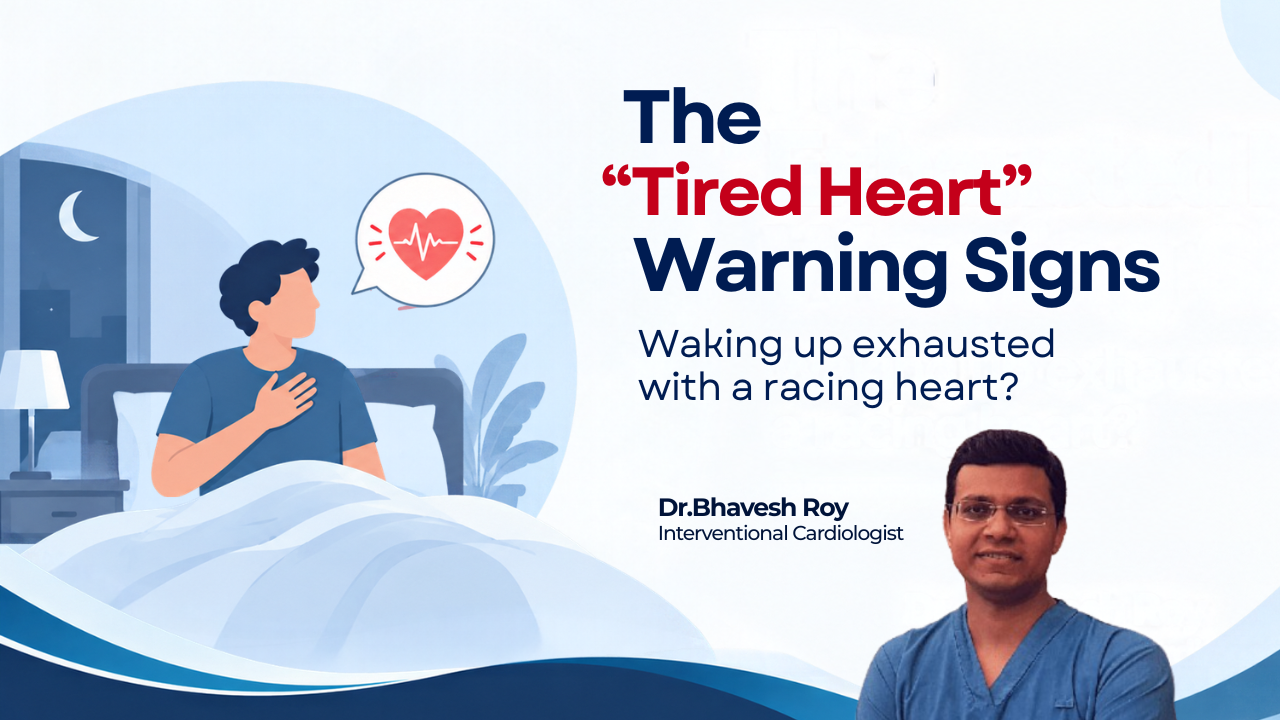
Quick Answer: Can Fatigue Be Related to Heart Problems?
Persistent fatigue can have many causes, including poor sleep, stress, anaemia, medication effects and certain medical conditions. In some cases, ongoing tiredness may also occur alongside a cardiovascular condition, particularly when it is accompanied by symptoms such as palpitations, shortness of breath, dizziness or reduced exercise tolerance.
The presence of fatigue alone does not mean that your heart is functioning abnormally. However, persistent or unexplained tiredness, especially when accompanied by new or worsening symptoms, deserves appropriate medical assessment.
A healthcare professional can evaluate your symptoms, review your medical history and determine whether further investigations are necessary. Recognising changes in your usual energy levels and understanding when to seek medical advice can help you make informed decisions about your health.
Introduction: Differentiating Normal Fatigue from Heart Strain
Feeling tired after a demanding workweek, physical activity or a night of poor sleep is common. This type of fatigue often improves with adequate rest, sleep and recovery. Persistent exhaustion that interferes with everyday activities, however, may warrant further attention.
Fatigue can be associated with several conditions, including sleep disorders, thyroid problems, anaemia, infections, medication effects and mental health concerns. It may also occur in people with cardiovascular conditions, including heart failure and certain abnormal heart rhythms.
The heart circulates blood throughout the body, supplying tissues with oxygen and nutrients. When a cardiovascular condition affects the heart’s function or rhythm, symptoms such as tiredness, breathlessness, weakness or reduced exercise tolerance may develop. These symptoms can overlap with those of many other conditions, so they should not be used to diagnose a heart problem on their own.
Understanding the pattern of fatigue, including when it occurs and whether other symptoms accompany it, can help a healthcare professional determine the appropriate next steps
Table of Contents
- Waking Up Exhausted and Racing Heart
- Palpitations: Fluttering or Pounding Heratbeat
- Shortness of Breath During Routine Tasks
- Swelling (Edema) and Possible Fluid Retention
- When Should You Seek Medical Assessment?
- Frequently Asked Questions
Waking Up Exhausted and Racing
Waking up tired despite spending sufficient time in bed can have several explanations. Poor sleep quality, obstructive sleep apnoea, stress and certain heart rhythm disturbances may contribute to morning fatigue or a sensation of a racing heartbeat.
Obstructive sleep apnoea is a sleep-related condition in which breathing repeatedly stops and starts during sleep. These interruptions can affect oxygen levels and trigger physiological responses that place stress on the cardiovascular system. People with sleep apnoea may experience unrefreshing sleep, daytime tiredness, morning headaches or episodes of waking up suddenly.
Abnormal heart rhythms, also known as arrhythmias, can also cause palpitations, fatigue, dizziness or shortness of breath in some people. However, waking up with a pounding heart does not establish that an arrhythmia is present.
The timing, frequency and duration of these symptoms, along with any associated breathing difficulties or dizziness, can help guide a medical assessment. If morning fatigue or a racing heartbeat occurs repeatedly, a healthcare professional can help determine whether sleep-related, cardiovascular or other factors need investigation.
Palpitations: The Fluttering Sensation
Heart palpitations are sensations in which you become unusually aware of your heartbeat. They may feel like a rapid heartbeat, fluttering, pounding or an occasional skipped beat.
Palpitations can occur in response to stress, anxiety, caffeine, some medications or physical activity. They can also be associated with abnormal heart rhythms and other medical conditions.
One possible cause is atrial fibrillation (AF), an irregular heart rhythm that may cause a racing or fluttering heartbeat, fatigue, dizziness, weakness or shortness of breath. Some people with atrial fibrillation experience few or no noticeable symptoms, and the condition may be identified during a medical examination.
Fatigue and palpitations alone cannot establish whether a person has atrial fibrillation. Depending on the symptoms and medical history, a healthcare professional may recommend an electrocardiogram (ECG), a portable heart rhythm monitor or other investigations.
If palpitations recur, last longer than usual or occur alongside dizziness, unusual fatigue or breathlessness, seek medical advice. Palpitations accompanied by chest pain, severe shortness of breath or fainting require urgent medical assessment.
Shortness of Breath During Routine Tasks
Many patients mistakenly attribute their new breathing struggles to merely “getting older” or “being out of shape.” However, struggling to catch your breath while walking to the mailbox or climbing a single flight of stairs serves as one of the most critical tired heart warning signs.
Cardiologists refer to this specific symptom as dyspnea. Furthermore, if you find yourself gasping for air when you lie completely flat in bed at night (orthopnea), your heart is likely struggling to manage fluid volume. The weakened heart allows fluid to actively back up directly into your lungs, making every breath feel incredibly heavy and difficult.
Reduced Exercise Tolerance
Exercise tolerance refers to how much physical activity a person can undertake before fatigue, breathlessness or other symptoms require them to slow down or stop.
If your usual walking distance or activity level becomes noticeably more difficult without an obvious explanation, it may be worth discussing this change with a healthcare professional.
Cardiovascular conditions can sometimes reduce exercise tolerance because the heart’s function or rhythm affects the body’s response to physical activity. However, other causes, such as anaemia, lung conditions, infections, medication effects, sleep problems and deconditioning, can produce similar symptoms.
The pattern of the change is important. Consider whether the reduced stamina developed suddenly or gradually, whether it occurs during specific activities and whether it is associated with chest discomfort, palpitations, dizziness or unusual breathlessness.
A medical assessment can help identify possible causes and determine whether further tests are appropriate. Avoid pushing through activity that causes significant or unusual symptoms until you have received appropriate advice.
A sudden reduction in exercise tolerance accompanied by chest discomfort, breathlessness, sweating, nausea or lightheadedness may be a warning sign of an acute heart problem and requires urgent assessment.
Swelling (Edema) and Possible Fluid Retention
Swelling, known medically as edema, occurs when fluid accumulates in body tissues. It may appear in the feet, ankles, legs or other areas and can have several causes.
In some people with heart failure, the heart’s reduced ability to pump blood effectively contributes to fluid accumulation. Swelling may occur alongside breathlessness, fatigue, difficulty breathing when lying flat or an unexpected increase in body weight over a short period.
However, swelling does not automatically indicate a heart condition. Other possible causes include venous circulation problems, kidney or liver disorders and the effects of certain medications.
Pay attention to new or increasing swelling, particularly when it occurs with changes in breathing, weight or exercise tolerance. A healthcare professional can assess the pattern of swelling, review your medical history and determine whether further investigations are needed.
Do not attempt to treat unexplained swelling by changing prescribed medications or using diuretics without medical guidance. Sudden or severe swelling accompanied by significant breathlessness or chest pain requires urgent medical assessment.
When Should You Seek Medical Assessment?
Occasional tiredness after activity or inadequate sleep is common. However, persistent, unexplained or worsening fatigue, particularly when accompanied by other symptoms, should be assessed by a healthcare professional.
Consider seeking medical advice if you experience any of the following:
- Persistent fatigue that interferes with your usual daily activities despite adequate rest.
- Recurrent palpitations, particularly when accompanied by dizziness, weakness or unusual tiredness.
- New or worsening breathlessness during routine activities or when lying down.
- A noticeable reduction in exercise tolerance without an obvious explanation.
- New or increasing swelling in the feet, ankles or legs, especially alongside breathlessness or unexpected weight gain.
The appropriate assessment depends on the symptoms, medical history and examination findings. It may begin with a primary care clinician, who can arrange further investigations or specialist assessment when indicated.
Depending on the clinical findings, investigations may include:
- Electrocardiogram (ECG): Records the heart’s electrical activity and may help identify rhythm abnormalities.
- Holter or ambulatory heart rhythm monitoring: Records heart rhythm over a longer period when intermittent symptoms need investigation.
- Echocardiogram: Uses ultrasound to assess the structure and function of the heart.
- Blood tests: May help identify conditions such as anaemia or thyroid disorders and assess other possible causes of fatigue.
- Exercise testing: May be appropriate in selected cases to assess symptoms and cardiovascular response to physical activity.
Not everyone with fatigue needs all these tests. Their selection should be based on an individual clinical assessment.
Seek emergency medical care for chest pain or pressure, severe or sudden shortness of breath, fainting, or symptoms suggesting a heart attack or stroke. These symptoms should not be managed by waiting for a routine consultation.
Frequently Asked Questions
-
1. Can extreme stress mimic the symptoms of a heart condition?
Yes. Stress and anxiety can contribute to fatigue, palpitations, sleep disturbances and a feeling of breathlessness. However, these symptoms can also occur with cardiovascular and other medical conditions. If symptoms are persistent, new, worsening or unexplained, a healthcare professional can assess possible causes rather than assuming that stress is responsible.
2. Why do I feel my heart racing only when I wake up?
A racing heartbeat on waking may be associated with sleep disruption, anxiety, caffeine or other factors. Sleep-related breathing disorders, including obstructive sleep apnoea, and some heart rhythm disturbances may also contribute. The timing of the symptom alone cannot establish its cause. If episodes recur or are accompanied by dizziness, breathlessness, chest discomfort or fainting, seek appropriate medical assessment.
3. Can a sudden lack of stamina be a sign of a heart attack?
A reduction in stamina or unusual fatigue can occur with some cardiovascular conditions, including a heart attack, but fatigue alone is not specific enough to identify one. Heart attack symptoms may include chest discomfort, shortness of breath, sweating, nausea, lightheadedness or discomfort in the arm, back, neck or jaw. Symptoms can vary between individuals, and chest discomfort is not always prominent. If you suspect a heart attack, seek emergency medical care rather than waiting to see whether the symptoms improve.
Key Takeaway: Understanding Persistent Fatigue
Persistent fatigue can arise from sleep problems, stress, medication effects, anaemia and many other conditions. It can also occur alongside cardiovascular problems, particularly when accompanied by palpitations, breathlessness, reduced exercise tolerance or swelling.
No single symptom confirms that a heart condition is present. Paying attention to changes in your usual energy levels, noting associated symptoms and seeking appropriate medical assessment can help identify the underlying cause.
Sudden or severe symptoms, including chest pain, significant breathing difficulty or fainting, require urgent medical attention.
This article provides general educational information only. Therefore, it should never replace personalized medical advice, formal clinical diagnosis, or prescribed medical treatment. Cardiovascular symptoms manifest differently in every patient. If you experience severe chest pressure, sudden breathlessness at rest, or fainting spells, seek emergency medical evaluation immediately.